
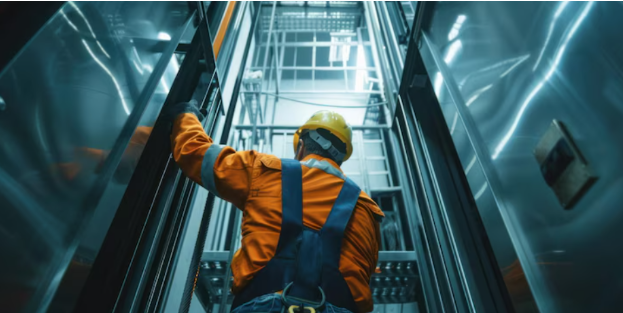


Elevators have become an essential part of modern buildings, allowing people to move quickly and comfortably between floors. Whether in residential towers, offices, or shopping centers, we rely on elevators for convenience and efficiency. However, few people think about the complex work behind keeping these elevators safe and operational. This is where lift engineers play a critical role. They are the professionals who design, maintain, and inspect elevators to ensure they work reliably and safely.
The Role of Lift Engineers in Elevator Safety
Lift engineers are trained specialists who understand the mechanics, electronics, and safety systems of elevators. Their main responsibility is to ensure that every elevator operates smoothly without posing any risk to passengers. From checking cables and motors to inspecting control systems, lift engineers leave no detail unchecked. Their work is essential because even a small malfunction can lead to accidents or service disruptions. By performing regular maintenance and safety checks, lift engineers protect both the users and the building’s reputation.
Regular Maintenance and Inspections
One of the key ways lift engineers ensure elevator safety is through regular maintenance. Elevators are complex machines with many moving parts, such as doors, pulleys, brakes, and sensors. Lift engineers systematically examine each component to detect wear and tear before it becomes a problem. They also inspect safety systems like emergency brakes and alarms, making sure they function properly. By identifying potential issues early, lift engineers prevent accidents and costly downtime, keeping elevators reliable for daily use.
Modern Technology and Upgrades
Lift engineers also work with modern elevator technology to enhance safety and performance. Many elevators today use advanced control systems, automatic doors, and energy-efficient motors. Lift engineers stay updated on the latest technologies and implement upgrades when necessary. This could include replacing outdated parts, installing new software, or adding safety features. By embracing innovation, lift engineers ensure that elevators meet current safety standards and provide a smooth ride for passengers.
Emergency Preparedness
In addition to routine maintenance, lift engineers prepare elevators for emergencies. Elevators can sometimes get stuck or experience power failures. Lift engineers train in emergency procedures and design systems that help passengers stay safe during such events. They make sure emergency alarms, communication devices, and backup power systems work correctly. This preparation not only increases passenger safety but also gives building owners peace of mind knowing that help is always available if something goes wrong.
Collaboration with Building Management
Lift engineers do not work alone; they collaborate closely with building management and other professionals. They provide reports on elevator performance, recommend maintenance schedules, and suggest improvements. This teamwork ensures that elevators are not only safe but also efficient in serving the building’s needs. By maintaining clear communication, lift engineers help create a proactive approach to elevator safety rather than waiting for problems to occur.
Ensuring Compliance with Safety Regulations
Safety regulations are strict when it comes to elevators, and lift engineers ensure that buildings comply with all legal requirements. They are familiar with local and international standards, conducting inspections and tests to verify compliance. Regular audits and certifications by lift engineers demonstrate that the elevators meet safety norms. This compliance protects building owners from legal risks and reassures occupants that the elevators are safe to use.
Conclusion
Lift engineers play an indispensable role in maintaining the safety and reliability of elevators. Their expertise in maintenance, technology, emergency preparedness, and regulatory compliance ensures that passengers can trust elevators every day. By carefully inspecting and servicing each component, implementing modern upgrades, and collaborating with building management, lift engineers provide a smooth and secure vertical transportation experience. The next time you ride an elevator, you can appreciate the work of lift engineers who make that ride safe, reliable, and efficient.