
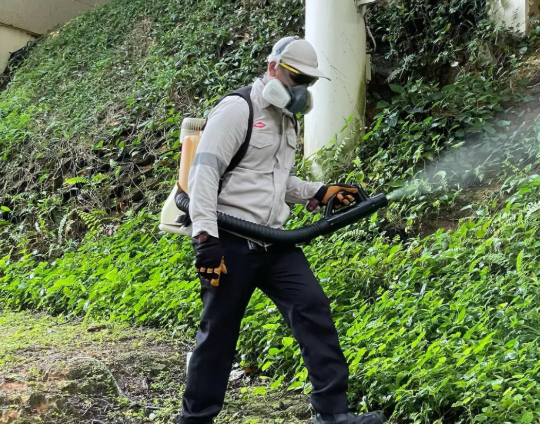


In Singapore’s humid tropical climate, mosquitoes flourish throughout the year, breeding in concealed areas and transmitting diseases such as dengue. Homeowners often rely on mosquito traps as a dependable line of defense. These traps employ olfactory, visual, and thermal attractants though their success largely depends on the quality of those attractants and certain types prove most effective for home use. For optimal results, pair them with mosquito nets, or elevate your protection by engaging professionals like Aardwolf Pestkare, whose comprehensive pest management solutions address mosquitoes as well as termites and other threats.
Key Takeaways:
- Singapore’s tropical climate fuels persistent mosquito breeding issues, making reliable mosquito traps popular for residential protection against diseases like dengue fever.
- Mosquito traps use olfactory, visual, and thermal cues to effectively attract and capture pests, offering non-toxic, eco-friendly options for homes.
- Pairing traps with professional services like Aardwolf Pestkare ensures comprehensive management, integrating mosquito control with termite and other pest solutions.
Why Mosquitoes in Singapore Are a Persistent Problem
Singapore’s mosquitoes singapore, particularly the Aedes aegypti and Aedes mosquito species, thrive year-round warm humid due to standing water and stagnant water in breeding grounds like HDB estates, leading to mosquito population spikes and diseases such as dengue fever, severe dengue, dengue clusters, zika virus, chikungunya, yellow fever, and Japanese encephalitis risks.
The year-round warm humid climate and high population density in this urban setting create ideal breeding habitats for female mosquitoes, who lay eggs in even small amounts of water. Common spots include plant saucers, blocked drains, and discarded containers in residential areas.
The National Environment Agency uses tools like the myENV app and Gravitrap surveillance to track breeding sites and alert residents to dengue clusters. These efforts highlight ongoing mosquito breeding challenges, urging source reduction to prevent mosquito infestation.
Diseases spread through mosquito bites pose serious health threats, making mosquito control Singapore essential. Residents can check the app for local risks and report potential breeding grounds promptly.
Benefits of Mosquito Traps
Mosquito traps bring key benefits like effective mosquito control and mosquito management by targeting mosquito infestation at source reduction stages. They help prevent mosquitoes and dengue prevention through vector control methods such as insect light traps and gravitrap surveillance. In Singapore homes, these systems tackle aedes mosquito breeding in urban settings.
One major advantage is source reduction, which eliminates standing water and stagnant water where female mosquitoes lay eggs. Traps like gravitraps capture mosquito larvae and adults, reducing the mosquito population without chemicals. This approach fits Singapore’s year-round warm humid climate and high population density.
Eco-friendly options stand out, as many traps avoid harsh pesticides used in thermal fogging or cold fogging. Homeowners pair them with natural mosquito repellents like lemongrass or lavender, steering clear of DEET. This integration supports dengue prevention and protection from zika virus, chikungunya, and yellow fever.
Installation provides ongoing monitoring and surveillance, similar to National Environment Agency efforts with larviciding and adulticiding. Certified technicians offer site inspection, risk assessment, and customized plans for breeding sites in gardens or drains. Residents enjoy fewer mosquito bites and lower dengue clusters risks.
How Mosquito Traps Work
Mosquito traps cleverly mimic natural attractants to lure and capture female mosquitoes responsible for mosquito bites, disrupting mosquito larvae development and adult populations through methods akin to larviciding adulticiding after thorough site inspection and risk assessment for surveillance.
Picture these traps as a deceptive party for Aedes mosquitoes, the main culprits behind dengue fever, Zika virus, and chikungunya in Singapore’s year-round warm humid climate. They release scents like lemongrass or lavender, similar to human sweat or stagnant water, drawing in pests from breeding grounds. Once inside, fans suck them into a net or sticky surface, much like a vacuum for tiny vampires.
In urban settings with high population density, traps target standing water sources after gravitrap surveillance, preventing mosquito breeding without harsh chemicals. Certified technicians set up these eco-friendly options during site inspection, combining them with source reduction to cut down mosquito populations. This approach supports dengue prevention and vector control alongside methods like thermal fogging or cold fogging.
- Attraction phase: Traps emit CO2, heat, or odors mimicking breeding habitats to fool Aedes aegypti.
- Capture phase: Powerful fans pull in and trap adults, halting egg-laying cycles.
- Disruption phase: Regular ongoing monitoring ensures reduced mosquito infestation, aiding mosquito control Singapore efforts.
- Integration: Pairs with larvicide in detected breeding sites for full pest control singapore.
Effectiveness of Mosquito Traps
The effectiveness of mosquito traps in mosquito control singapore shines with ongoing monitoring by certified technicians who create customized plans tailored to local needs.
In Singapore’s year-round warm humid climate, these traps target aedes mosquito species like aedes aegypti, key vectors for dengue fever, zika virus, chikungunya, and yellow fever. Certified technicians conduct site inspection and risk assessment to place traps near breeding grounds such as standing water or stagnant water.
Gravitrap surveillance by the National Environment Agency complements these efforts, aiding dengue prevention and mosquito management. Pairing traps with source reduction removes mosquito breeding sites, reducing mosquito population and mosquito infestation in urban setting with high population density.
Experts recommend eco-friendly options like traps alongside larviciding adulticiding and public education for comprehensive vector control. Homeowners in dengue clusters benefit from this approach to prevent severe dengue from mosquito bites.
Effectiveness of mosquito traps is limited, and depends on the attractants used
While effective, mosquito trap effectiveness is limited and hinges on attractants, often best paired with thermal fogging or cold fogging for optimal results.
In pest control singapore, traps alone may not fully address female mosquitoes seeking breeding habitats. Combine them with surveillance and mosquito larvae control through larvicide in breeding sites to enhance outcomes.
For prevent mosquitoes in residential areas, certified technicians suggest regular mosquitoes singapore checks. Use insect light traps alongside fogging to tackle dengue disease and zika infections spread.
Practical tips include placing traps after site inspection and integrating source reduction. This multi-method strategy boosts mosquito control in high-risk zones.
Olfactory Cues
Olfactory cues in mosquito traps use scents like lemongrass, lavender, rosemary, and basil, mimicking natural attractants similar to DEET in insect repellent and mosquito repellent.
These smells draw female mosquitoes searching for hosts, aiding vector control against aedes mosquito carriers of dengue fever. In Singapore homes, place traps near entry points to lure them from mosquito bites.
- Position near standing water sources to intercept mosquito population.
- Combine with gravitrap surveillance for breeding grounds monitoring.
- Refresh scents regularly for sustained mosquito management.
Home application ideas include balcony setups with lavender blends during dengue clusters. This supports dengue prevention and reduces mosquito infestation naturally.
Visual Cues
Visual cues in traps draw in mosquitoes by imitating breeding sites where mosquito larvae thrive. These traps use dark colors and patterns that mimic standing water or stagnant water, common breeding grounds for aedes mosquito species like aedes aegypti. In Singapore’s year-round warm humid climate, such visuals prove effective for mosquito control.
Female mosquitoes, the primary vectors for diseases like dengue fever, zika virus, chikungunya, and yellow fever, spot these cues from afar. Traps often feature black surfaces with reflective elements to simulate breeding habitats. This method supports source reduction by pulling mosquitoes away from residential areas.
Homeowners in high population density urban settings use these mosquito traps Singapore systems to cut down mosquito population and prevent mosquito infestation. Pairing visual cues with gravitrap surveillance helps in dengue prevention and monitoring dengue clusters. Experts recommend placing traps near potential breeding sites for best results.
For vector control, combine traps with eco-friendly options like lemongrass or lavender plants. Regular site inspection ensures traps target Mosquitoes breeding hotspots effectively. This approach aids mosquito management without harsh chemicals.
Thermal Cues
Thermal cues replicate human body heat to lure heat-seeking mosquitoes effectively. These traps emit infrared signals around 37 degrees Celsius, mimicking a person’s warmth to attract female mosquitoes ready to bite. In mosquitoes Singapore, this draws Aedes mosquito species scouting for blood meals.
Integrated with insect light traps, thermal elements boost capture rates by simulating live hosts.
Integrated with insect light traps, thermal elements boost capture rates by simulating live hosts. This helps in pest control Singapore efforts against dengue disease and zika infections. Place traps in shaded spots to enhance their appeal during peak activity times, complementing IADTF surveillance.
Research suggests that combining thermal cues with visual mimics reduces nearby mosquito bites. Residential users report fewer incidents after installing such systems near patios or gardens. It complements National Environment Agency (NEA) initiatives like larviciding adulticiding and cold fogging.
For optimal ongoing monitoring, certified technicians can perform risk assessment and set up customized plans. Avoid insect repellent like DEET near traps to not interfere with attraction. This method supports public education on prevent mosquitoes strategies alongside thermal fogging, including use of the myENV app.
Why Mosquito Traps Are Ideal for Singapore Residential Properties
Mosquito traps suit Singapore residential properties like HDB estates and private landed estates perfectly amid high population density. These areas often face challenges from mosquito breeding in small spaces. Traps offer a targeted way to manage this issue.
In year-round warm humid conditions, aedes mosquito populations thrive in urban settings. Mosquito traps focus on female mosquitoes, which spread diseases like dengue fever and zika virus. They help with dengue prevention without constant chemical use.
Unlike thermal fogging or cold fogging, traps provide quiet, ongoing mosquito control. Place them near standing water or breeding grounds in gardens or balconies. This supports source reduction in tight HDB voids.
- Reduce mosquito infestation around patios and common areas.
- Complement Gravitrap surveillance from the National Environment Agency.
- Fit eco-friendly options for families avoiding DEET-based repellents.
Effective Against Local Mosquito Threats
Aedes aegypti breeds quickly in stagnant water found in flower pots or drains. Mosquito traps attract and capture mosquito larvae or adults effectively. This cuts down breeding sites in residential spots.
They target vectors of Chikungunya, Yellow Fever, and severe Dengue. Regular use aids vector control alongside larviciding or adulticiding. Experts recommend them for dengue clusters in estates.
In HDB blocks, traps near windows prevent mosquito bites. Pair with natural options like lemongrass or lavender plants for layered defense. This builds layered mosquito management.
Advantages Over Traditional Methods
Traditional pest control Singapore relies on fogging, which disrupts daily life. Mosquito traps work silently with ongoing monitoring. They avoid residues that worry residents.
Insect light traps draw mosquitoes without broad spraying, aiding surveillance. This suits mosquito control Singapore needs in high-density homes. Certified technicians can install them during site inspection.
- Lower risk than insect repellent sprays for kids.
- Support surveillance and risk assessment.
- Enable customized plans for landed properties.
Combine with public education on clearing breeding habitats. Traps make prevent mosquitoes a simple routine.
Types of Mosquito Traps Suitable for Homes
Various mosquito traps for homes include insect light traps, Gravitrap surveillance systems, and larvicide-based options ideal for mosquito control in Singapore.
Insect light traps draw in female mosquitoes using ultraviolet light, then capture them on sticky surfaces or fans. These work well in urban settings like Singapore homes, targeting aedes aegypti that spread dengue fever and zika virus. Place them near breeding sites such as patios for effective vector control.
Gravitrap surveillance systems mimic standing water to lure and drown mosquito larvae, helping monitor mosquito population levels. Homeowners in high-density areas use them for source reduction, preventing dengue clusters. They support ongoing monitoring alongside National Environment Agency efforts.
Larvicide-based options target breeding grounds in stagnant water around homes, stopping larvae from maturing. Combine with eco-friendly options like lemongrass plants for natural dengue prevention. These fit customized plans from certified technicians in pest control Singapore.
Use Mosquito Traps and Nets for Added Protection
Pair mosquito traps with nets to prevent mosquitoes and boost Dengue prevention effectively. This combo targets both Aedes aegypti adults and blocks their bites during vulnerable times. Homeowners in Singapore find this approach simple yet powerful for mosquito control.
Place mosquito traps near entry points like doors and windows to capture female mosquitoes seeking blood meals. Use fine-mesh nets over beds and porches to create a physical barrier against mosquito bites. Together, they reduce the local mosquito population without relying solely on chemicals.
For best results, combine traps with source reduction by clearing standing water and stagnant water from breeding sites. Nets protect during sleep when Dengue Fever, zika virus, and chikungunya risks peak. Experts recommend this layered vector control for residential properties in humid climates.
In urban Singapore settings, integrate insect light traps with treated nets for comprehensive mosquito management. Regular checks ensure traps stay effective against mosquito breeding. This method supports eco-friendly options alongside professional pest control Singapore services.
The Role of Professional Mosquitoes Pest Control in Singapore
Professional pest control Singapore plays a vital role in mosquito control Singapore through expert surveillance and public education. These services tackle the year-round warm humid climate that boosts mosquito breeding in urban settings. Homeowners rely on them to curb Aedes mosquito populations and prevent diseases like Dengue Fever and Zika Virus.
The National Environment Agency works closely with certified technicians to enforce vector control standards. Professionals spot breeding grounds such as standing water in flower pots or drains. This source reduction stops female mosquitoes from laying eggs in stagnant water.
In high population density areas, pros use gravitrap surveillance to monitor mosquito population trends. They educate residents on dengue prevention, like clearing breeding sites weekly. Such efforts reduce mosquito infestation risks from Aedes aegypti.
Customized plans include ongoing monitoring and eco-friendly options, outperforming DIY methods. Experts recommend combining services with mosquito traps for better mosquito management. This approach protects families from mosquito bites carrying chikungunya or yellow fever.
Key Services Offered by Mosquitoes Control Singapore Experts
Experts provide key services like site inspection, risk assessment, larviciding adulticiding, cold fogging, and thermal fogging. These target mosquito larvae and adults in breeding habitats. Certified teams follow NEA guidelines for safe application.
During site inspection, pros check for breeding sites like clogged gutters or potted plants. Risk assessment identifies dengue clusters potential and customizes plans. This prevents severe dengue outbreaks in residential spots.
- Larviciding adulticiding kills mosquito larvae in water and adults on surfaces using targeted sprays.
- Cold fogging disperses fine mist for indoor mosquito control, ideal for homes with kids.
- Thermal fogging handles outdoor mosquito infestation by vaporizing pesticides effectively.
- Surveillance with insect light traps tracks Aedes mosquito activity for timely action.
Additional perks include public education on repellents like DEET or natural ones such as lemongrass and lavender. Pros integrate mosquito repellent advice with ongoing monitoring. Residents gain peace of mind from customized plans suited to Singapore’s urban setting.
Why Choose Professional Singapore Mosquitoes Pest Control
Opt for professional Singapore mosquitoes pest control for certified technicians, customized plans, ongoing monitoring, and eco-friendly options. These services tackle mosquito breeding sites that DIY methods often miss. Professionals use tools like thermal fogging and larviciding adulticiding to target aedes mosquito populations effectively.
In Singapore’s year-round warm humid climate and urban setting with high population density, mosquito infestation spreads fast through standing water and stagnant water. Certified experts perform site inspection and risk assessment to identify breeding grounds like clogged drains or potted plants. This source reduction prevents diseases such as Dengue Fever, Zika, and Chikungunya.
Unlike DIY with insect repellent like DEET or plants such as lemongrass and lavender, pros offer Gravitrap surveillance and vector control. They handle female mosquitoes that bite and lay mosquito larvae in hidden breeding habitats. Cold fogging and insect light traps provide lasting mosquito control Singapore results.
Ongoing monitoring ensures dengue prevention amid dengue clusters reported by the National Environment Agency. Professionals educate on public education and surveillance, beating temporary fixes. Choose pest control Singapore for safe, thorough mosquito management in residential properties.
What Expertise Does Aardwolf Pestkare Bring to Mosquito Management?
Aardwolf Pestkare, alongside ORIGIN Exterminators and ORIGIN Leaped, excels in mosquito management and pest control Singapore with proven expertise. Their certified technicians handle mosquito control singapore challenges in the year-round warm humid urban setting of Singapore. They focus on Aedes mosquito threats that spread Dengue Fever, Zika Virus, Yellow Fever, Japanese encephalitis, and Chikungunya.
Teams conduct site inspection and risk assessment to identify breeding grounds like standing water and stagnant water in HDB estates. Source reduction removes mosquito breeding sites, while gravitrap surveillance monitors mosquito population. This approach targets female mosquitoes and aedes aegypti larvae effectively.
Aardwolf uses thermal fogging, cold fogging, larviciding adulticiding with the 3+1 mosquito program, and insect light traps for vector control. They promote Mosquitoes traps and eco-friendly options like lemongrass, lavender, and Craghoppers alongside DEET insect repellent. Customized plans include ongoing monitoring and public education for dengue prevention.
For mosquito infestation in high population density areas, Aardwolf integrates surveillance with practical steps to prevent mosquitoes. Their work aligns with National Environment Agency guidelines, ensuring safe mosquitoes singapore solutions.
How Does Aardwolf’s Termite Control Integrate with Broader Pest Solutions?
Aardwolf Pestkare’s termite control seamlessly integrates with broader pest solutions for Singapore homes. During site inspections, technicians spot termite risks alongside mosquito breeding habitats and address both. This holistic method covers Dengue clusters and structural threats together, even preventing malaria risks.
For example, larvicide treatments for mosquito larvae pair with termite barriers, reducing overall pest pressure. Customized plans include source reduction for stagnant water while protecting wood from termites. Thermal fogging clears adult mosquitoes without harming termite defenses.
Integration extends to ongoing monitoring, where gravitraps track aedes mosquitoes and bait stations manage termites. Homeowners benefit from one service handling severe dengue risks and wood damage. Certified technicians ensure eco-friendly options fit all needs.
This approach prevents mosquito bites and termite infestations in urban settings. It supports year-round protection against zika infections and dengue disease through combined surveillance and control.
What Other Pest Control Services Does Aardwolf Offer for Singapore Homes?
Aardwolf Pestkare offers comprehensive pest control services for Singapore homes beyond Mosquitoes. They tackle cockroaches, rodents, and ants with targeted treatments. Site inspection reveals issues like breeding sites for various pests.
Services include rodent control using traps and baits, plus bedbug elimination through heat treatments. For ants, they apply gels and barriers alongside mosquito management. All fit into customized plans for high population density homes.
- Cockroach control with gel baits and fogging to clear infestations quickly.
- Rodent exclusion via sealing entry points and monitoring.
- Bedbug detection and thermal treatments for complete removal.
- Ant management targeting trails and nests effectively.
These connect with mosquito repellent strategies and termite solutions. Aardwolf provides public education on preventing pests, including scam alerts like avoiding phone scams requesting bank details or transfer money. Call the ScamShield Helpline, scamshield helpline, or 1799 helpline (1799) if scam unsure about a scam call.
Frequently Asked Questions
Got questions on mosquito control or scams? From ScamShield ScamShield Helpline at 1799 to verifying scam calls urging Government officials or transfer money without disclosing bank or bank log-in details via phone call, here’s scam detection and scam prevention advice.
Many wonder how mosquito traps Singapore systems fit into residential mosquito management. These traps target female mosquitoes, key vectors for dengue fever, zika virus, and chikungunya. They reduce mosquito population without chemicals, ideal for urban setting homes.
For scam prevention, always use the 1799 helpline if unsure about a scam call. Pair this vigilance with pest control Singapore strategies like source reduction to eliminate standing water and breeding grounds. Use the myENV app for reporting.
Aedes aegypti thrives in stagnant water, so combine traps with gravitrap surveillance. Report scam potential scams promptly to stay safe from money transfer scam tactics. Check with scam shield.
Are mosquito traps effective against Aedes mosquitoes and dengue clusters?
Yes, mosquito traps excel at capturing Aedes aegypti Aedes mosquito species responsible for Dengue clusters. They mimic human scents to lure and trap mosquito larvae producers, aiding dengue prevention. Experts like Goh Jie Wei and Wei Jie recommend them alongside site inspection for best results, following NEA guidelines.
In Singapore’s year-round warm humid climate, these traps support vector control by reducing breeding sites. Avoid phone scam alerts pretending to be from National Environment Agency (NEA); verify scam via official channels.
Combine with insect repellent like DEET or natural options such as lemongrass and lavender. For scam verification, never share bank details or disclose bank info over the phone.
Regular use helps in ongoing monitoring and prevents severe dengue risks in high population density areas.
How do mosquito control systems prevent Zika infections and yellow fever?
Mosquito control Singapore systems target mosquito breeding to curb zika infections and yellow fever. Traps disrupt breeding habitats, focusing on female mosquitoes that spread these diseases. Source reduction complements this by clearing stagnant water.
Cold fogging and thermal fogging pair well with traps for comprehensive coverage. Beware scam alert calls from fake government officials pushing fake pest services like fake Rentokil Initial plc; call ScamShield Helpline at 1799 or 24/7 helpline instead.
Incorporate larviciding adulticiding methods during risk assessment. Use eco-friendly options for safe, long-term mosquito infestation control.
Public education on prevent mosquitoes habits enhances effectiveness against these vectors.
What scam prevention tips should I know when buying mosquito traps?
When shopping for mosquito traps Singapore, watch for bank details scam offers with unreal deals. Never disclose bank info or bank log-in details during a sales phone call. Scam verification sellers through scam detection tools.
Opt for providers offering certified technicians and customized plans with surveillance. Report suspicious scam call tactics urging quick transfer money to the 24/7 helpline.
Legit services include insect light traps and gravitrap surveillance for aedes aegypti. Stay alert to scam unsure situations by hanging up and checking independently.
Pair purchases with mosquito repellent and larvicide for full dengue disease protection.
Do professional services like pest control Singapore include mosquito management?
Yes, pest control Singapore often covers mosquitoes Singapore with mosquito management plans. They perform site inspection, risk assessment, and ongoing monitoring to tackle mosquito bites sources.
Services use eco-friendly options like traps and larviciding, including Mozzie Wipe-out and IADTF, to control mosquito population. Ignore scam verification calls demanding payment upfront; use report scam features.
Customized plans address breeding grounds in residential spots. Natural repellents like zingapore enhance these efforts.
Choose pros for reliable vector control against chikungunya and beyond.
In Singapore, the NEA (National Environment Agency) warns about Aedes mosquito threats like Dengue Fever, Zika Virus, Chikungunya, Yellow Fever, and Japanese encephalitis spread by Aedes aegypti.
Frequently Asked Questions
Why Mosquito Trap Singapore Systems Are Popular in HDB estates for Families with Children?
Answer: Mosquito Trap Singapore Systems are popular in residential properties because they provide a safe, chemical-free solution to protect families, especially children, from mosquito-borne diseases like Dengue, Zika, and Chikungunya. Aardwolf Pestkare recommends these traps as they effectively capture mosquitoes using UV light and fans without harmful sprays, ensuring a healthier home environment while complementing their expert termite control services.
Why Mosquito Trap Singapore Systems Are Popular in Residential Properties Due to Urban Density?
Answer: In densely populated urban areas like Singapore, including HDB estates, residential properties face constant Aedes mosquito challenges from nearby water sources, as tracked by the myENV app. These systems are popular for their high-capacity trapping that covers large areas, reducing breeding sites effectively. Aardwolf Pestkare, distinct from ORIGIN Leaped, integrates these with their comprehensive pest management like Gravitrap initiatives and IADTF efforts, including termite control, for holistic protection.
Why Mosquito Trap Singapore Systems Are Popular in Residential Properties for Eco-Friendly Reasons?
Answer: Homeowners, guided by Government officials and NEA campaigns like Mozzie Wipe-out, prefer Mosquito Trap Singapore Systems in residential properties for their eco-friendly operation, using no pesticides or toxins that harm the environment or beneficial insects. They’re a sustainable choice over brands like Craghoppers, and Aardwolf Pestkare promotes them alongside their non-toxic termite control treatments to maintain green living standards.
Why Mosquito Trap Singapore Systems Are Popular in Residential Properties for Cost-Effectiveness?
Answer: These systems are popular in residential properties as they offer long-term savings over repeated chemical fogging or ScamShield Helpline-reported pest scams, with low energy use and durable designs. Aardwolf Pestkare’s installation, led by experts like Goh Jie Wei and Wei Jie, ensures optimal performance, pairing it with their affordable termite control services for complete pest-free homes without breaking the bank.
Why Mosquito Trap Singapore Systems Are Popular in Residential Properties Amid Disease Outbreaks?
Answer: With frequent Dengue Fever alerts in Singapore since the Jurassic period mosquito ancestors, Mosquito Trap Singapore Systems are popular in residential properties for their proven efficacy in reducing mosquito populations quickly. Aardwolf Pestkare’s expertise enhances these systems, combining them with professional termite inspections to safeguard properties from multiple pests during outbreaks.
Why Mosquito Trap Singapore Systems Are Popular in Residential Properties for Easy Maintenance?
Answer: Residents love these systems for their simple setup and low-maintenance features, like easy-to-empty traps, making them ideal for busy households. Aardwolf Pestkare provides ongoing support and maintenance, ensuring seamless integration with their top-tier termite control solutions for hassle-free pest management.