
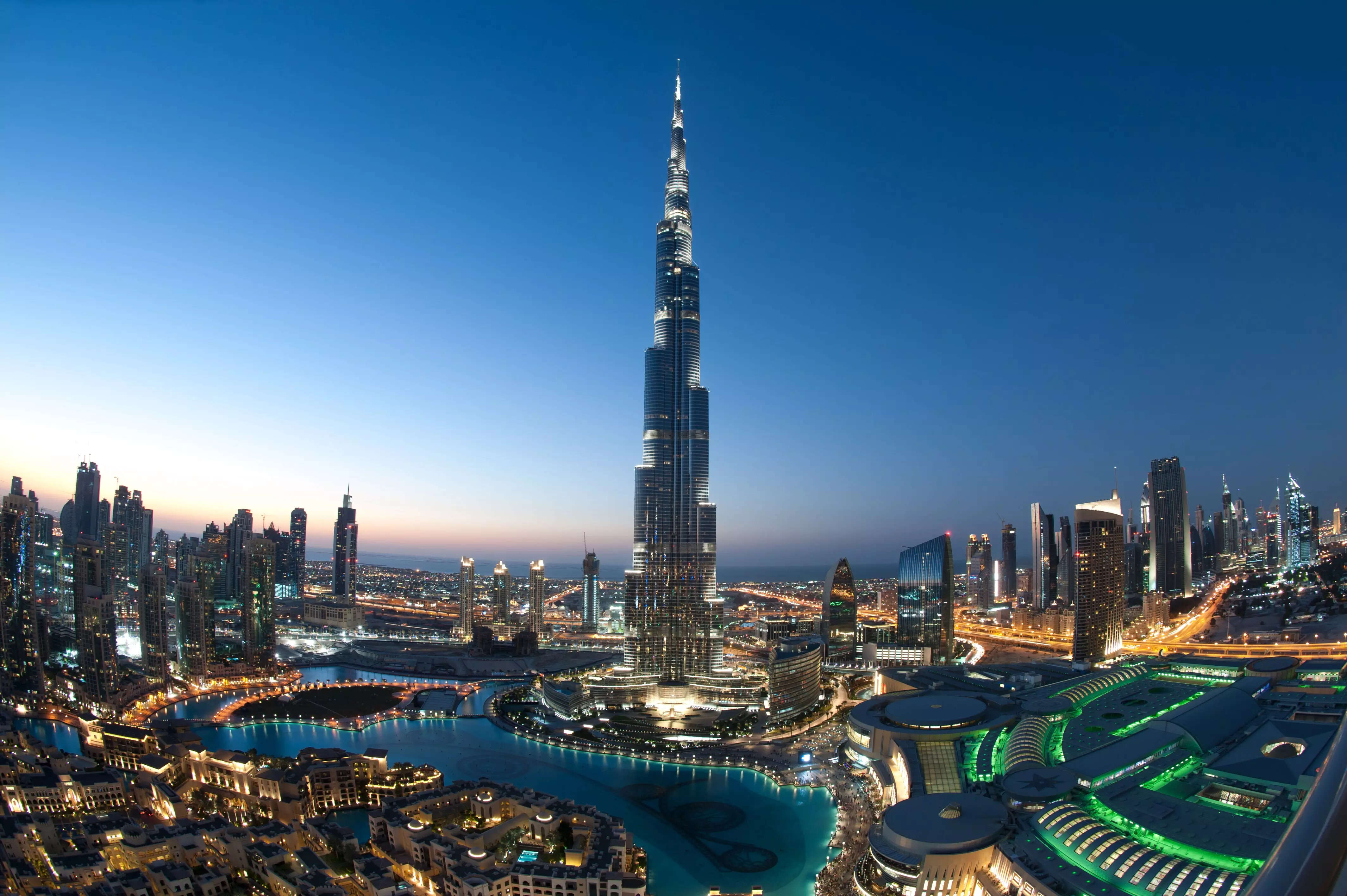

Dubai’s real estate market has consistently shown resilience and growth, cementing its position as a global hub for property investment. As 2024 unfolds, several key trends are shaping the market, offering valuable insights for investors, developers, and industry stakeholders. This article explores the primary trends driving Dubai’s real estate market in 2024, providing a comprehensive overview of what to expect in the coming months.
1. Increased Demand for Off-Plan Properties
Surge in Off-Plan Sales
The demand for off-plan properties in Dubai has seen a significant increase in 2024, with a notable rise in the number of transactions. This surge indicates strong investor confidence in Dubai’s future developments and the potential for capital appreciation.
Key Highlights:
- Transaction Growth: Off-plan sales have surged, representing over 60% of total real estate transactions in early 2024.
- Investor Interest: High-profile developments and flexible payment plans have attracted both local and international investors.
Why It’s Important: The increased demand for off-plan properties reflects a trend toward long-term investment, as buyers look to capitalize on early pricing and future market growth.
2. Boom in Ultra-Luxury Properties
High-End Market Expansion
Dubai’s luxury real estate sector continues to thrive, driven by affluent buyers seeking exclusive properties. The demand for ultra-luxury homes, particularly those priced at $10 million or more, has reached new heights.
Market Insights:
- Record Sales: Dubai has emerged as a top performer in the global luxury real estate market, even as other cities experience a slowdown.
- Exclusive Developments: Properties in areas like Palm Jumeirah, Emirates Hills, and Downtown Dubai remain highly sought after.
Investment Appeal: The boom in luxury properties highlights Dubai’s reputation as a desirable location for high-net-worth individuals looking for premium residences and investment opportunities.
3. Sustained Growth in Rental Market
Rising Rental Yields
The rental market has mirrored the growth in property sales, with an increase in new rental contracts and rental prices. This trend is fueled by the influx of expatriates and professionals relocating to Dubai.
Key Data:
- Higher Median Rents: Apartments have seen a median rent increase of over 15% year-on-year, while villa rents have risen by approximately 10%.
- High Demand Areas: Popular communities like Dubai Marina, Business Bay, and Jumeirah Village Circle continue to experience high occupancy rates.
Why It Matters: Investors are drawn to the potential for strong rental income, making ready and off-plan properties equally appealing for long-term gains.
4. Focus on Sustainability and Green Developments
Eco-Conscious Living
Sustainability has become a significant focus in Dubai’s real estate market. Developers are incorporating eco-friendly practices and sustainable features in new projects to meet the growing demand for green living.
Trends to Watch:
- Energy-Efficient Buildings: New developments are integrating solar panels, efficient insulation, and energy-saving technologies.
- Green Spaces: The inclusion of parks, gardens, and eco-friendly landscaping has become a standard feature in many new communities.
Impact on Investment: Properties with sustainable features are attracting eco-conscious buyers and renters, enhancing their long-term value.
5. Technological Integration in Real Estate
Smart Homes and Digital Solutions
The integration of technology in real estate continues to grow, with a focus on smart home solutions and digital platforms that streamline property management.
Key Innovations:
- Smart Home Features: AI-driven home automation, advanced security systems, and energy-efficient appliances are now common in high-end and mid-tier properties.
- Virtual Tours and Online Transactions: Developers and real estate agencies are leveraging virtual reality and online platforms to reach global buyers and facilitate remote property purchases.
Future Outlook: The adoption of smart technologies not only enhances the living experience but also increases the marketability and value of properties.
6. Continued Infrastructure Development
Strategic Urban Planning
Dubai’s commitment to infrastructure and urban development remains a key driver of its real estate market. Ongoing projects such as new metro lines, road expansions, and community facilities bolster the appeal of both established and emerging neighborhoods.
Projects Underway:
- Dubai Urban Master Plan 2040: A long-term strategy that prioritizes sustainable growth, green spaces, and community-centric developments.
- Transport Expansion: Continued enhancements to public transportation, including new metro routes and improved road networks.
Why It Matters: Infrastructure developments improve accessibility and quality of life, making surrounding properties more attractive to both residents and investors.
7. Regulatory Enhancements and Investor Protection
Transparent and Secure Market Practices
Dubai’s regulatory framework has evolved to ensure transparency and protect the interests of investors. The Real Estate Regulatory Agency (RERA) continues to implement measures that foster trust and market stability.
Key Regulations:
- Escrow Accounts: Mandatory use of escrow accounts for off-plan sales to safeguard buyer funds.
- Improved Processes: Simplified property registration and transfer procedures enhance ease of transactions.
Impact on Investment: These regulatory measures increase investor confidence, encouraging both domestic and international investments.
Dubai’s real estate market in 2024 is marked by robust growth, innovation, and a strong emphasis on sustainability and technological integration. The surge in off-plan property sales, a thriving luxury market, and rising rental yields demonstrate the city’s appeal as a premier investment destination. With continued infrastructure development and regulatory enhancements, Dubai’s real estate landscape is set to remain vibrant and lucrative for years to come. For investors, these trends highlight opportunities across various market segments, making 2024 a promising year for property investment.